
Transportation System
A natural gas pipeline that operates in both directions.
We connect Quintero with Santiago, with a branch line to Concón, monitored 24 hours a day from our Control Room.
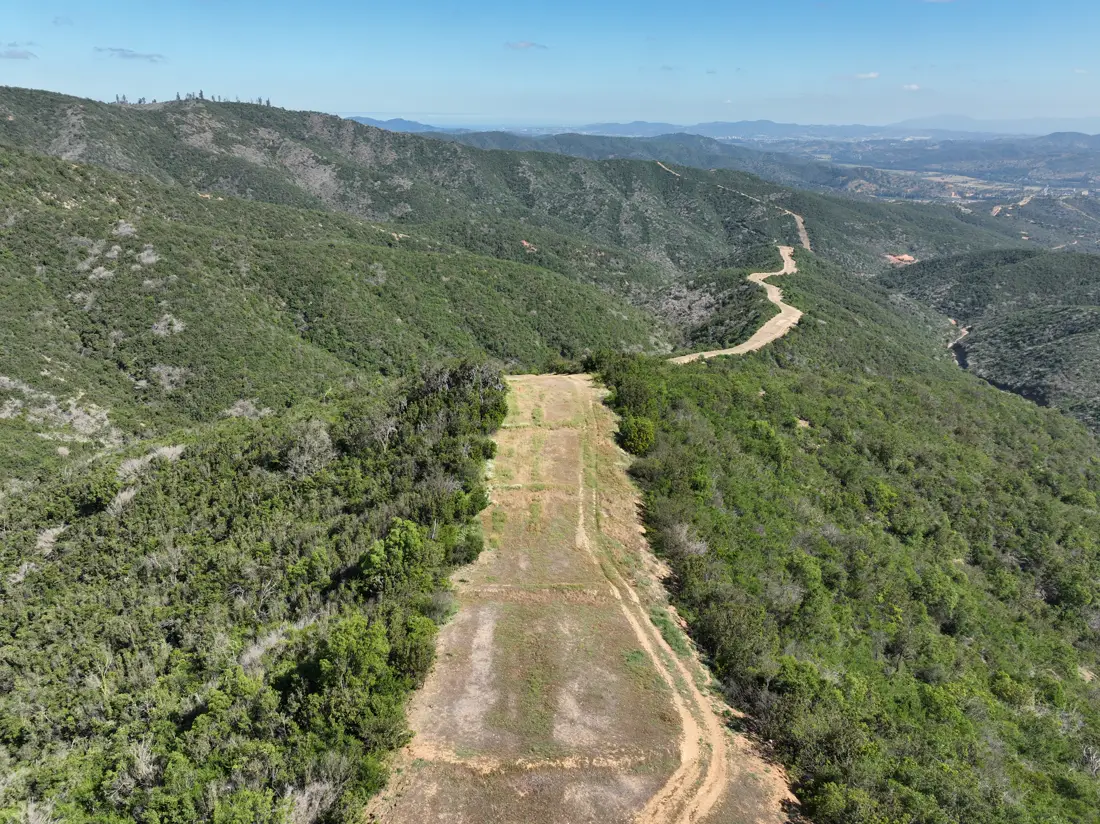
How It Works
One transportation system, one operation.
We operate a 165.7-km natural gas pipeline network between Quintero and Santiago, with a branch line to Concón.
The pipeline is supplied from two sources and operates in both directions:
From Argentina, natural gas passes through Santiago and enters Electrogas via GasAndes at the Chena Station (San Bernardo), and from there it is distributed to Quillota and Colmo.
From Quintero, the Quintero LNG Terminal (GNLQ) delivers regasified natural gas that is transported to Quillota.
Thanks to this bidirectional configuration, the system can receive gas arriving from Argentina or deliver the gas regasified in Quintero to Santiago, as needed.
Along the Main Line, there are four stations equipped with safety valves that quickly shut off the flow when necessary, either remotely from the Control Room or via each valve’s control panel.
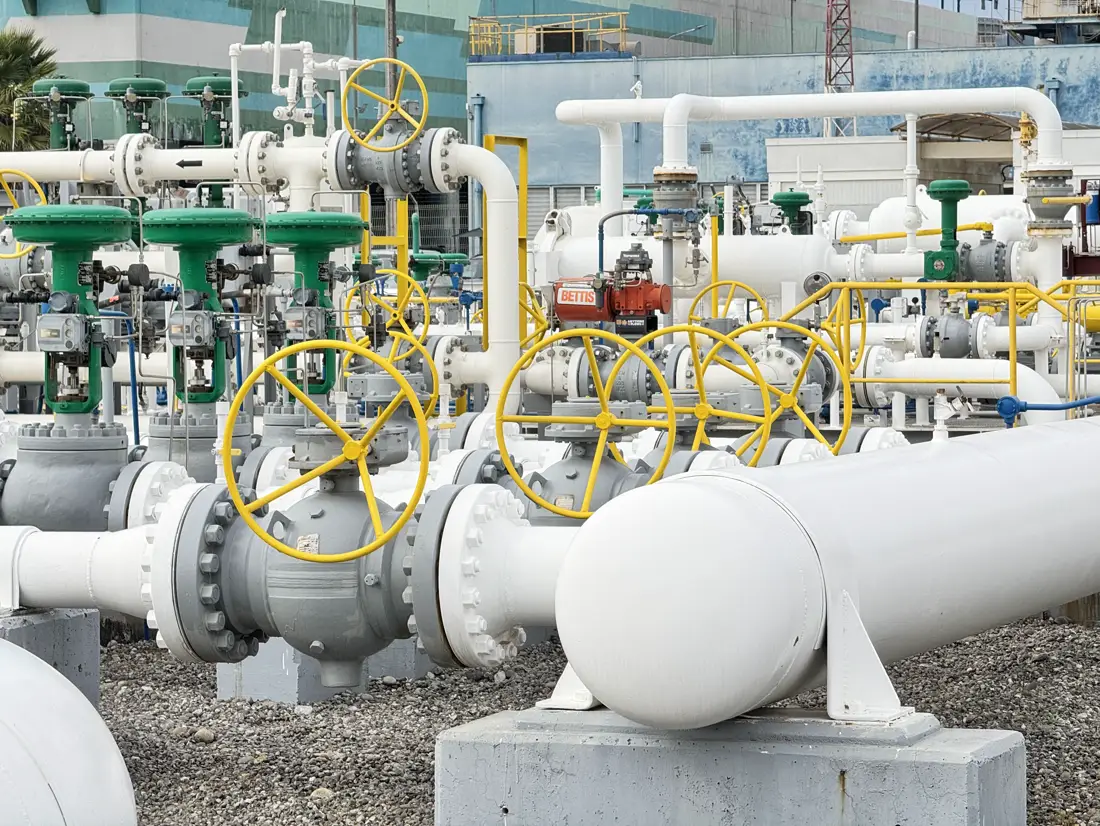
Gas Pipeline
165.7 km of steel pipeline between Quintero and Santiago, with a branch line to Concón.
In both directions
It receives gas from Argentina or delivers it from Quintero, depending on the system's needs.
Delivery Stations
They measure and regulate pressure and flow, and include filters, automatic valves, and safety devices.
Transportation System
Each installation, explained.
The system is not just a single pipeline. It consists of stations, sections, and a control room that coordinates them remotely, 24 hours a day.
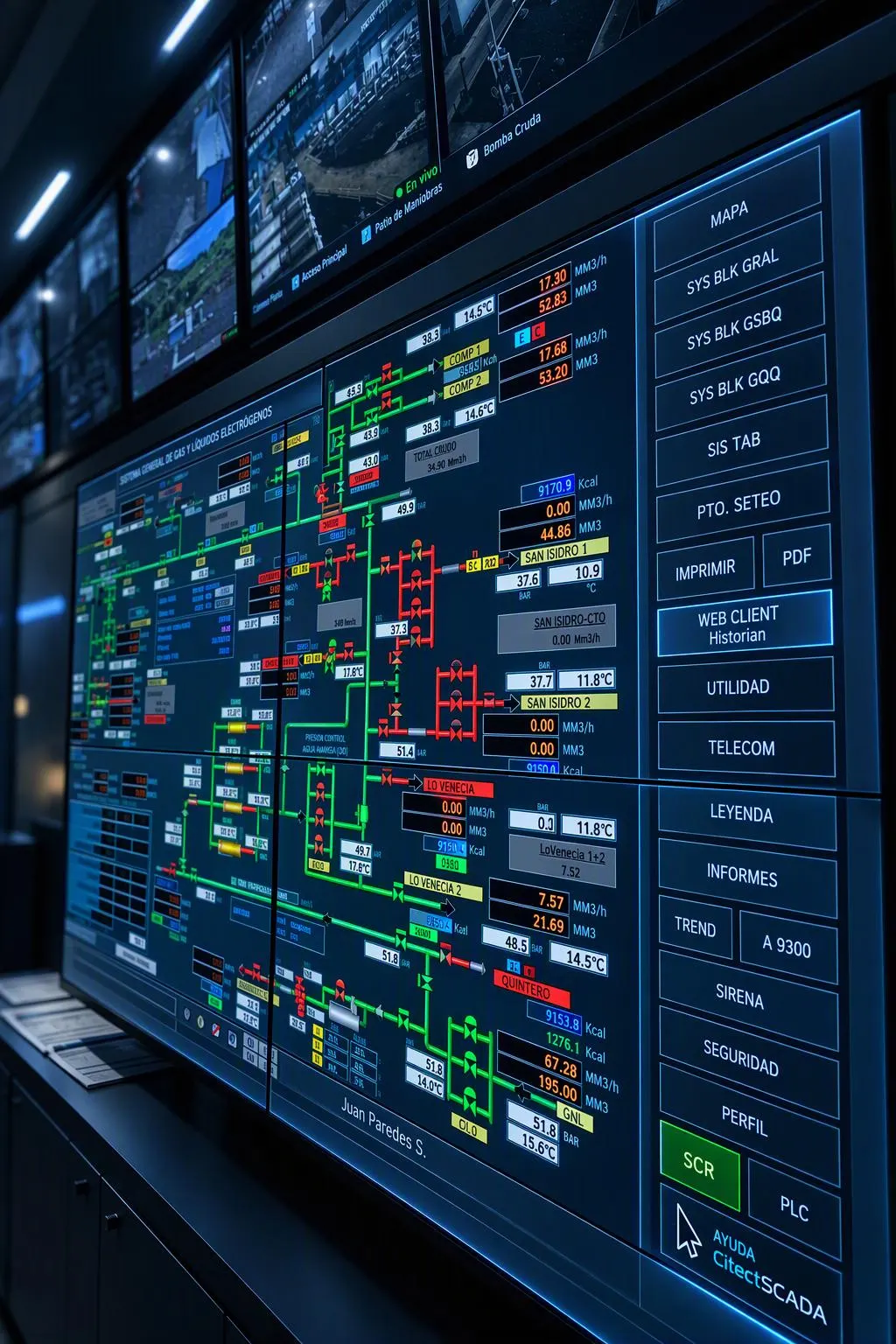
Quillota · 24/7
Control Room
From the Quillota Plant Gate, we supervise, control, and monitor the entire transportation system 24 hours a day to ensure that the natural gas supply remains uninterrupted. From here, we coordinate continuously with our customers’ control rooms.
Saint Bernard
Chena Station
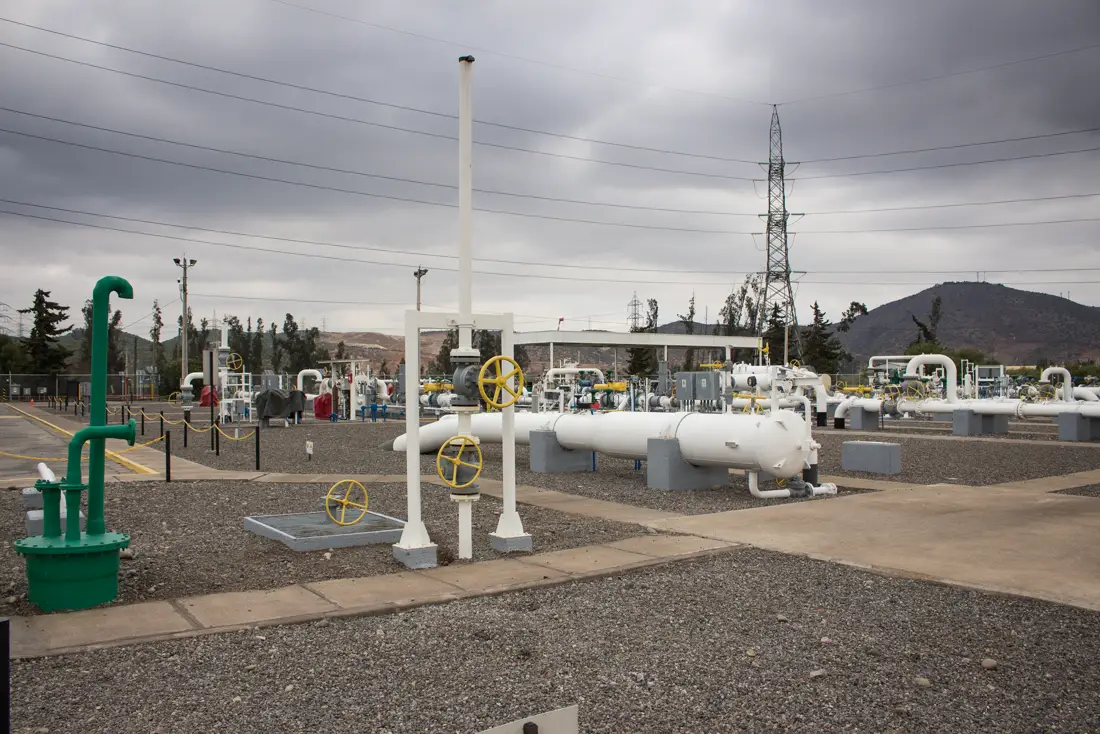
It connects to the GasAndes pipeline to receive gas from Argentina or to deliver gas arriving from the Quintero regasification plant. It operates in both directions: GasAndes measures and controls the flow, while Electrogas monitors the pressures, which are supervised from the Quillota Control Room.
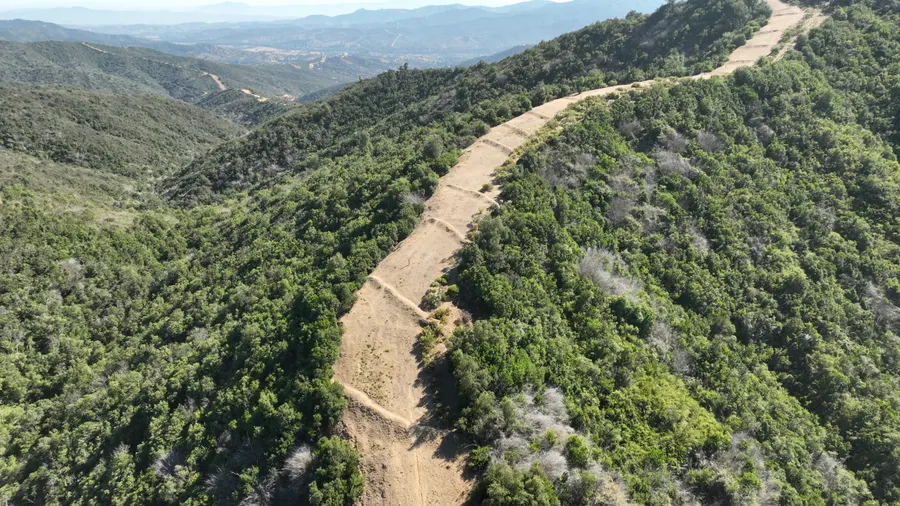
123 km
Main Line
A 30- and 24-inch pipeline network connecting the Chena Intake Station in San Bernardo, in the Metropolitan Region, with the Quillota Plant Gate in the Valparaíso Region.
Quintero
Quintero Reception Station
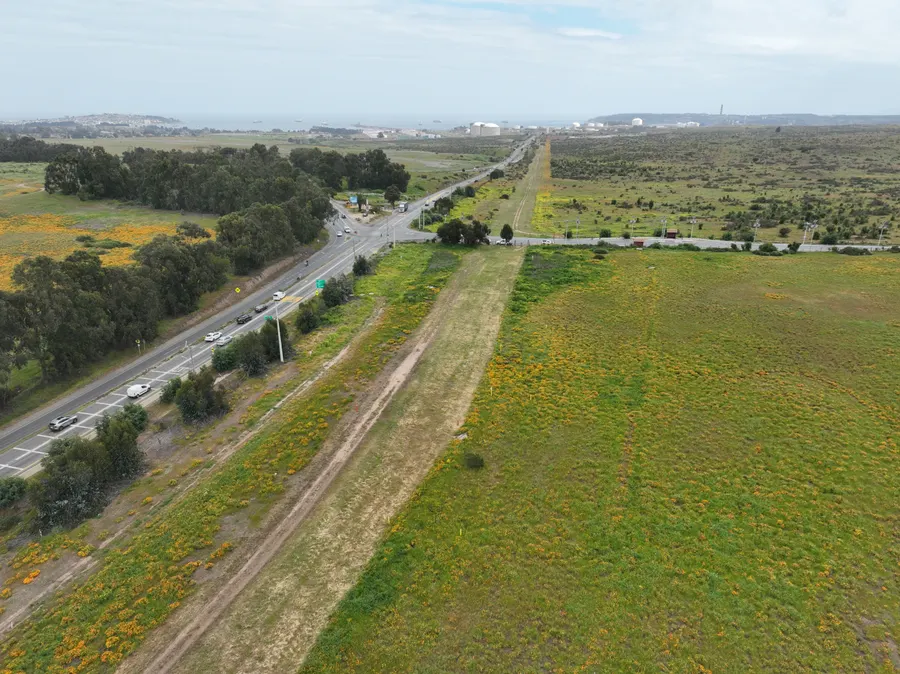
Starting point of the Quintero-Quillota gas pipeline, located within ENAP Refinerías’ Quintero Terminal. It receives regasified natural gas from the Quintero LNG facility and is equipped with a pressure-reducing station and a blow-off trap for pipeline cleaning and inspection equipment.
14.05 km
Colmo Fullback
A 16-inch, 14.05-km branch line that originates at the main line of the San Bernardo-Quillota gas pipeline and terminates at the Colmo Delivery Station in Concón.
If you're going to dig near the right-of-way, call ahead.
You may not plant trees or deep-rooted shrubs, build structures, or clear paths on the right-of-way without first notifying Electrogas. If you plan to work nearby, request a site visit before you begin: we’ll provide on-site guidance.
Control Room
The entire system, 24 hours a day.
From the Quillota Plant Gate in Lo Venecia, we supervise, control, and monitor the entire transportation system 24 hours a day, 7 days a week, to ensure that the natural gas supply remains uninterrupted.
From here, we remotely operate the delivery stations and the line’s shut-off valves using a Supervisory Control and Data Acquisition (SCADA) system that has been in service since 1998.
We coordinate continuously with our customers’ control rooms and with operators connected to the system.
Integrity and Maintenance
Proactive measures to protect the pipeline.
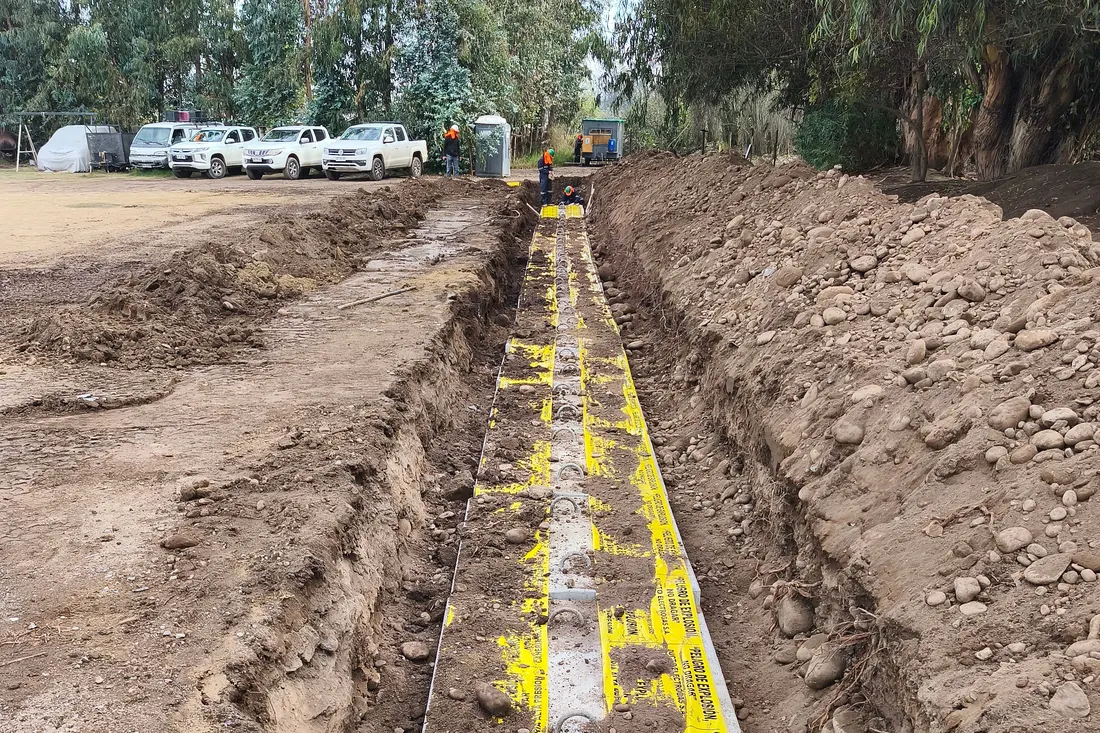
We conduct outreach campaigns in the field to explain where our pipelines run and what risks people, property owners, and third parties face when working nearby. In addition, we monitor the right-of-way on the ground, from the air, and from the Control Room.
The pipes are made of steel and are coated both inside and out with a cathodic protection system that prevents corrosion.
Aerial Inspection
Weekly inspection flights using light aircraft and drones over the easement.
Field Patrol
Our own staff patrols the right-of-ways.
Signage and Pavers
We maintain the signage year-round and reinforce it with pavers in areas where construction is increasing.
24/7 Remote Control
SCADA and remote shut-off valves from the Control Room.
Field Campaigns
We visit property owners and neighbors to explain the risks of working near the pipeline.
Cathodic Protection
A separate system in each section protects the pipeline from corrosion.